Spring collection
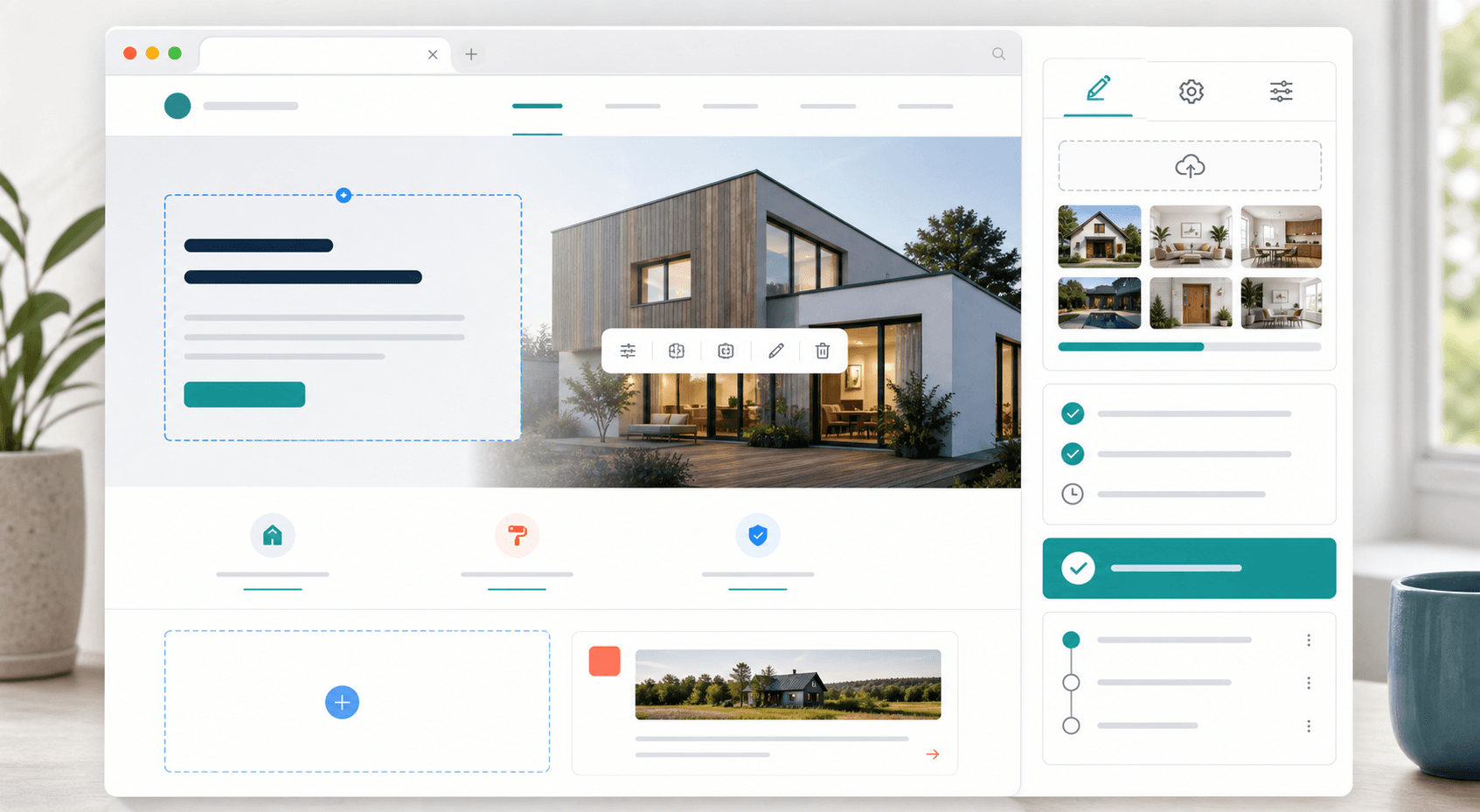
home.hero.titlegallery imageMake room for calmer workdays.
Plan the week, publish updates, and keep the team moving with content that feels at home in the website.
Broker implementation demo
The website owns the editor UI. Usable CMS supplies the marketplace app, login, workspace checks, safe write operations, uploads, publish, and restore through the broker.
Site-owned editor
A generated or hand-built /cms route can use the same components, content model, and preview state as the public website while delegating auth and writes to cms.usable.dev.
Plan the week, publish updates, and keep the team moving with content that feels at home in the website.
Auth Broker boundary
The public integration key identifies the site and allowed origin. Usable tokens, role checks, CSRF protection, draft writes, publishes, uploads, and restores stay behind cms.usable.dev.
/api/broker/*.Implementation shape
Ask Codex, Claude Code, Usable Chat, Lovable, or another code generator to create the editor inside your site, load broker.js, define the manifest, and deploy with exact origins.
const broker = new window.UsableCmsBroker({
  site: "northstar-studio",
  token: process.env.NEXT_PUBLIC_USABLE_CMS_TOKEN,
  cmsOrigin: "https://cms.usable.dev"
});

await broker.connect();
const content = await broker.content({
  fragmentIds: ["site-content"]
});